.svg)

5 Tips for a Truly Successful D365 Project

.svg)

D365 is a transformative platform — but transformation doesn't happen automatically. After working with hundreds of organizations across Microsoft Dynamics implementations, the same patterns keep surfacing: the projects that succeed do certain things early, and the ones that struggle skip them. Here's what we've learned.
Tip 1: Engage an Independent D365 Architect Early — Seriously
This is our number one recommendation, and we mean it. Bringing in an independent D365 architect before you start engaging partners isn't a luxury — it's a strategic investment that consistently pays for itself many times over.
The right architect brings both functional expertise and project leadership experience. They'll help you clearly define and document your business process requirements, build early alignment across stakeholders, and provide critical oversight during the partner evaluation and selection phase — before you've signed anything you'll regret.
Rule of thumb: Engaging an independent architect 6–8 weeks before entering partner conversations can prevent missteps, reduce long-term costs, and meaningfully accelerate your go-live timeline.
Think of it this way: the cost of one wrong partner decision — or one misunderstood requirement that surfaces during UAT — will dwarf the cost of an architect engaged early. The investment is asymmetric, and almost always in your favor.
Tip 2: Hire a Leader with D365 Functional Expertise — It's a Game-Changer
Look at the most successful D365 implementations, and you'll almost always find the same thing at the top: a program director with a strong functional background in Dynamics. Without it, the risks multiply fast.
Poor planning. Misallocated resources. Vendors who say yes to everything. Scope that quietly expands until the budget breaks. These aren't rare outcomes — they're the predictable result of putting someone technically skilled but Dynamics-inexperienced in the lead chair.
The right leader does two things simultaneously: they steer the project with informed judgment, and they attract top-tier D365 talent by articulating a compelling vision that real professionals want to join.
If your chosen leader has strong business acumen but limited D365 experience, pair them with a seasoned D365 architect on a contract basis. This person becomes both a strategic guide and an internal coach — protecting the director from early pitfalls and keeping the broader team honest. Even a part-time engagement at key decision points can be the difference between a clean go-live and a costly restart.
Tip 3: Develop an Agency Mindset
Here's one that surprises people: the best D365 directors treat talent acquisition like a continuous discipline, not a reactive scramble. They build relationships in the market before they have open roles — and it changes everything about how they hire.
Set aside a few hours each month to connect with both contract and full-time D365 professionals, even when you're not actively recruiting. These conversations give you something no job posting can: real-time intelligence on market rates, emerging skills, talent availability, and what top candidates actually care about.
- Build a warm bench of trusted talent before you urgently need it
- Stay current on rate and salary expectations in your specific market
- Understand which skills are trending and which are becoming commoditized
- Position yourself as a leader top candidates want to work with
The compounding effect of this habit is real. Over 12–18 months, it translates to faster hires, better onboarding, and a reputation for building high-performing teams — which itself becomes a recruiting advantage.
Tip 4: Insist on Named, Dedicated Resources in Every Contract
Whether you're engaging independent contractors or a consulting partner, accountability starts with knowing exactly who is working on your project. Vague commitments about "the team" are a red flag. Named resources aren't.
Before signing any statement of work, require that every key resource be identified up front — and interview each one yourself. Don't just vet their technical credentials. Assess how they communicate, how they handle ambiguity, and whether they'll fit your team's culture. A technically excellent consultant who struggles to communicate clearly can do more damage than a slightly less experienced one who collaborates well.
Protect yourself contractually: include explicit language around team continuity — define what triggers a resource swap, what notice is required, and what your rights are if a critical team member is pulled. Make your expectation of a dedicated team from start to finish unmistakably clear before you sign. This single clause, negotiated upfront, has saved WorqFlow clients from some of the most expensive mid-project disruptions we've seen.
Tip 5: Put In the WorQ
This one sounds obvious. It isn't.
The most successful D365 projects share a common denominator: they invest seriously in both their people and their processes. They slow down to plan deliberately. They make hiring decisions based on capability, not comfort or cost. They build a leadership culture of accountability from the top down.
Too many organizations waste time and money by rushing, choosing the cheapest option, or hiring based on familiarity rather than capability. The result is almost always the same: a reset, a budget overrun, and a damaged relationship with the technology.
Technology doesn't drive outcomes — the intentional effort to build the right foundation does. That means choosing a partner who will tell you hard truths even when it's uncomfortable. It means resisting the urge to cut corners in the design phase to accelerate go-live. It means acknowledging that a slower start is almost always faster in the long run.
Avoid the reset cycle. The cost of doing it right the first time is almost never as high as it feels in the moment — and always lower than doing it twice.
How WorQFlow Can Help
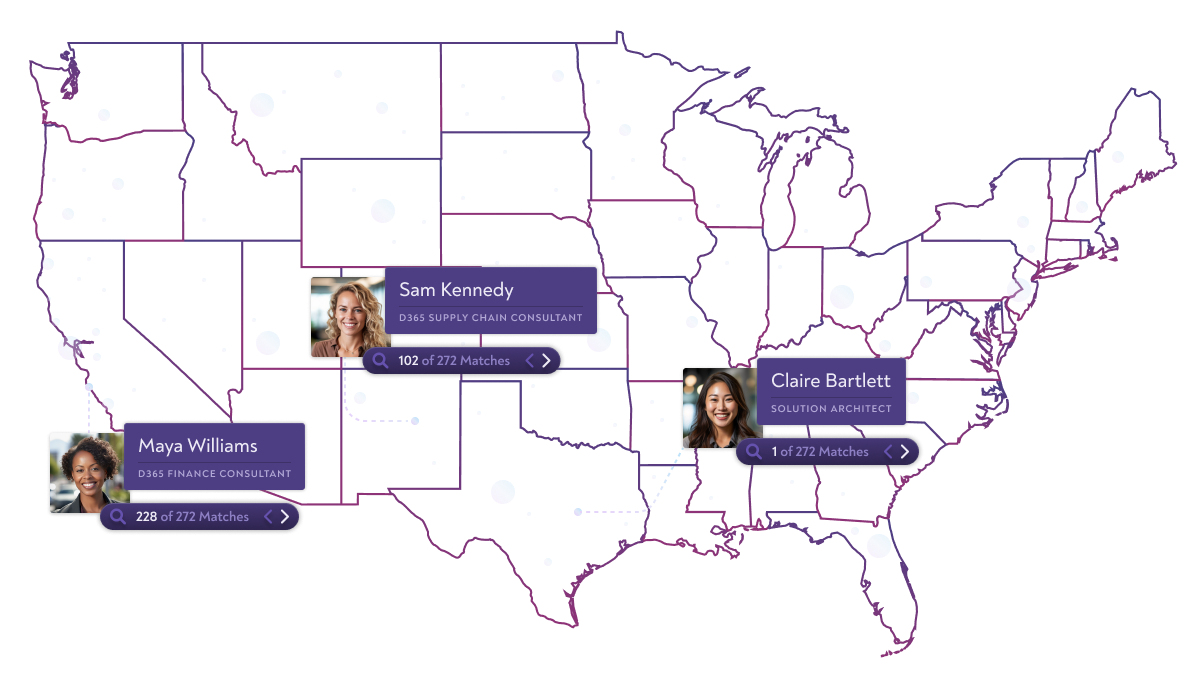
Whether you're planning a new D365 implementation, navigating a troubled project, or building out a support team for the long term, WorqFlow specializes in connecting organizations with the senior Microsoft talent they need — exactly when they need them.
We've built over 1,000 custom teams for 250+ organizations worldwide. We know what good looks like, we know where the pitfalls are, and we're invested in your success from day one. Let's build the right team for what's next.
Contact us to get started.
Related Articles



It's Time to
Get to WorQ.
Need talent, a delivery partner, or just a gut check on your current plan? We're one conversation away.